
In today’s highly competitive B2B marketplace, finding qualified prospects is more challenging than ever. Buyers have access to countless resources, compare multiple vendors before making decisions, and expect personalized interactions from the very first conversation. As a result, businesses that rely on outdated sales tactics often struggle to generate consistent revenue. This is where effective B2B Sales Prospecting Strategies become essential.
Sales prospecting is more than simply creating a list of potential customers. It is a strategic process of identifying companies that fit your ideal customer profile, understanding their business challenges, connecting with the right decision-makers, and initiating meaningful conversations that eventually lead to sales opportunities. A well-planned prospecting strategy ensures that sales teams spend their time engaging with businesses that are genuinely interested in solving problems rather than contacting random organizations with generic sales messages.
Modern prospecting combines market research, customer data, artificial intelligence, sales automation, personalized outreach, and relationship-building techniques. Businesses that consistently implement structured prospecting strategies not only generate more qualified leads but also improve conversion rates, reduce customer acquisition costs, and build stronger long-term relationships with clients.
Whether you are a startup looking to secure your first enterprise customers or an established organization aiming to expand your sales pipeline, mastering B2B sales prospecting is one of the most valuable investments you can make. This guide explores proven strategies, practical techniques, and best practices that help sales professionals identify high-value prospects and convert them into loyal customers.
What Is B2B Sales Prospecting?
B2B sales prospecting is the proactive process of identifying potential business customers who are likely to benefit from your products or services. Unlike inbound marketing, where prospects discover your business through content or advertising, prospecting involves actively reaching out to companies and decision-makers through multiple communication channels.
The primary objective is to initiate conversations with organizations that match your Ideal Customer Profile (ICP). Sales representatives conduct research, qualify prospects, personalize outreach, and build relationships that eventually move prospects through the sales pipeline.
Prospecting is often confused with lead generation, but the two processes serve different purposes.
| Lead Generation | Sales Prospecting |
|---|---|
| Attracts potential customers through marketing campaigns | Actively identifies potential customers |
| Marketing-driven process | Sales-driven process |
| Generates interest from a broad audience | Focuses on highly targeted businesses |
| Often automated | Requires research and personalization |
| Produces marketing-qualified leads | Produces sales-qualified opportunities |
While marketing generates awareness, prospecting transforms that awareness into business conversations. The strongest sales organizations align both activities to create a predictable and scalable revenue engine.
Why B2B Sales Prospecting Is More Important Than Ever
The buying journey has changed dramatically over the past decade. Business buyers no longer depend solely on sales representatives for information. They research products online, compare competitors, read reviews, watch product demonstrations, and consult peers before speaking with a vendor.
Because buyers complete much of their research independently, sales professionals must offer immediate value when they reach out. Generic emails and scripted cold calls are no longer effective. Today’s prospects expect relevant insights, personalized communication, and a clear understanding of their business challenges.
Implementing effective B2B Sales Prospecting Strategies helps businesses overcome these challenges by creating consistent opportunities and building relationships before competitors enter the conversation.
Some of the key advantages include:
- Generates a predictable sales pipeline
- Improves lead quality
- Reduces time wasted on unqualified prospects
- Increases appointment booking rates
- Builds trust through personalized outreach
- Shortens the overall sales cycle
- Improves customer acquisition efficiency
- Creates long-term revenue growth
Organizations with structured prospecting processes often experience better forecasting accuracy because their sales pipelines are built on qualified opportunities rather than assumptions.
Understanding the Modern B2B Buying Process
Today’s B2B purchasing decisions rarely involve a single individual. Instead, buying committees consisting of executives, department managers, technical specialists, finance teams, and end users collaborate before approving major purchases.
A typical buying journey includes several stages:
| Buying Stage | Buyer Activity |
|---|---|
| Problem Identification | Recognizes a business challenge |
| Research | Searches for potential solutions |
| Evaluation | Compares vendors and products |
| Validation | Reviews case studies and references |
| Decision | Selects the preferred vendor |
| Purchase | Finalizes contracts and implementation |
Understanding where prospects are in this journey allows sales teams to deliver the right message at the right time instead of using the same pitch for every contact.
For example, a company beginning its research may appreciate educational content, while a prospect comparing vendors may be more interested in pricing models, implementation timelines, or customer success stories.
Building an Ideal Customer Profile (ICP)
One of the most important foundations of successful prospecting is creating a detailed Ideal Customer Profile. An ICP defines the type of company that is most likely to purchase your solution and become a long-term customer.
Without an ICP, sales teams often waste valuable time contacting businesses that are unlikely to convert.
A comprehensive ICP should include several business characteristics.
| Criteria | Description |
|---|---|
| Industry | Technology, Healthcare, Manufacturing, Finance, Retail |
| Company Size | Small, Mid-market, Enterprise |
| Annual Revenue | Business revenue range |
| Geographic Location | Countries or regions served |
| Number of Employees | Workforce size |
| Business Challenges | Operational or strategic problems |
| Technology Stack | Existing software and infrastructure |
| Growth Stage | Startup, Scaling, Mature Enterprise |
For example, a company selling marketing automation software may define its ICP as:
- SaaS companies
- 100–1000 employees
- Annual revenue above $20 million
- Growing sales and marketing teams
- Active digital marketing initiatives
- Using CRM platforms like Salesforce or HubSpot
A clearly defined ICP significantly improves prospecting accuracy and ensures that outreach efforts focus on organizations with the highest likelihood of becoming customers.
Identifying Buyer Personas
Even after identifying the right company, sales representatives must determine who influences purchasing decisions.
Different stakeholders have different priorities, responsibilities, and concerns. Understanding these differences allows sales professionals to personalize communication more effectively.
Executive Decision-Makers
Senior executives focus on business growth, profitability, operational efficiency, and return on investment.
Typical roles include:
- Chief Executive Officer
- Chief Financial Officer
- Chief Technology Officer
- Vice President of Sales
- Chief Marketing Officer
These buyers are interested in measurable business outcomes rather than product features.
Department Managers
Managers evaluate how a solution improves team productivity, efficiency, and workflow.
Examples include:
- Sales Managers
- Marketing Directors
- Operations Managers
- Customer Success Managers
They often influence vendor selection by evaluating usability and implementation.
Technical Stakeholders
Technical teams assess compatibility, security, scalability, and integration capabilities.
Common roles include:
- IT Director
- Solutions Architect
- Engineering Manager
- Information Security Manager
Their approval is often necessary before enterprise software purchases.
Financial Stakeholders
Finance departments evaluate pricing, contracts, budgeting, and long-term financial impact.
They typically focus on:
- Cost savings
- Budget approval
- Licensing models
- Return on investment
- Total cost of ownership
Understanding each persona helps sales professionals create messages that address specific concerns rather than using generic pitches.
Research Before Prospecting
Successful sales prospecting begins long before the first email or phone call. Thorough research enables sales teams to understand a prospect’s business environment and personalize outreach.
Before contacting a company, gather information such as:
- Recent company announcements
- Funding rounds or investments
- Leadership changes
- Expansion into new markets
- Product launches
- Hiring activity
- Technology adoption
- Industry challenges
- Competitor positioning
- Business partnerships
For example, if a company has recently expanded internationally, your outreach could explain how your solution supports global operations. This level of personalization immediately demonstrates that you understand their business instead of sending a mass email.
Best Sources for Finding High-Quality Prospects
Successful prospecting depends on reliable and accurate data. Fortunately, modern sales professionals have access to multiple sources that help identify qualified opportunities.
LinkedIn remains one of the most valuable platforms for B2B prospecting because it provides direct access to professionals across virtually every industry.
Sales representatives can use LinkedIn to:
- Identify decision-makers
- Track company growth
- Discover hiring trends
- Monitor leadership changes
- Engage with industry content
- Build professional relationships before outreach
Personalized LinkedIn engagement often creates familiarity that improves email and phone response rates.
Company Websites
Official company websites provide valuable insights into an organization’s products, services, leadership team, customer base, and strategic priorities.
Useful sections include:
- About Us
- Leadership Team
- Careers
- Newsroom
- Case Studies
- Press Releases
- Product Pages
These resources help sales professionals understand business objectives before initiating conversations.
Industry Events
Conferences, webinars, trade shows, networking events, and virtual summits attract professionals actively exploring new technologies and business solutions.
Attendees often represent qualified prospects because they have already demonstrated interest in industry developments.
Participating in these events enables sales teams to establish relationships before competitors do.
Existing Customer Referrals
Satisfied customers are one of the most reliable sources of new business opportunities.
Referral-based prospecting typically results in:
- Higher trust
- Faster sales cycles
- Better conversion rates
- Lower acquisition costs
Encouraging happy customers to introduce peers can significantly expand your sales pipeline.
Business Directories and Databases
Professional databases help identify companies based on specific characteristics, including industry, employee count, annual revenue, location, and technology usage.
These databases allow sales teams to build highly targeted prospect lists instead of relying on broad market searches.
Common Prospecting Mistakes to Avoid
Even experienced sales professionals make mistakes that reduce prospecting effectiveness. Avoiding these common errors can significantly improve response rates and sales performance.
| Mistake | Impact | Better Approach |
|---|---|---|
| Sending generic emails | Low engagement | Personalize every message |
| Contacting the wrong person | Delayed sales cycle | Identify decision-makers first |
| Focusing only on product features | Buyers lose interest | Discuss business outcomes |
| Poor research | Generic conversations | Learn about the company beforehand |
| Giving up after one attempt | Missed opportunities | Follow a structured follow-up sequence |
| Targeting everyone | Low conversion rates | Build a clear Ideal Customer Profile |
Successful prospecting is not about contacting the largest number of businesses. It is about consistently engaging the right businesses with relevant messaging that addresses their specific challenges.
Multi-Channel B2B Sales Prospecting Strategies
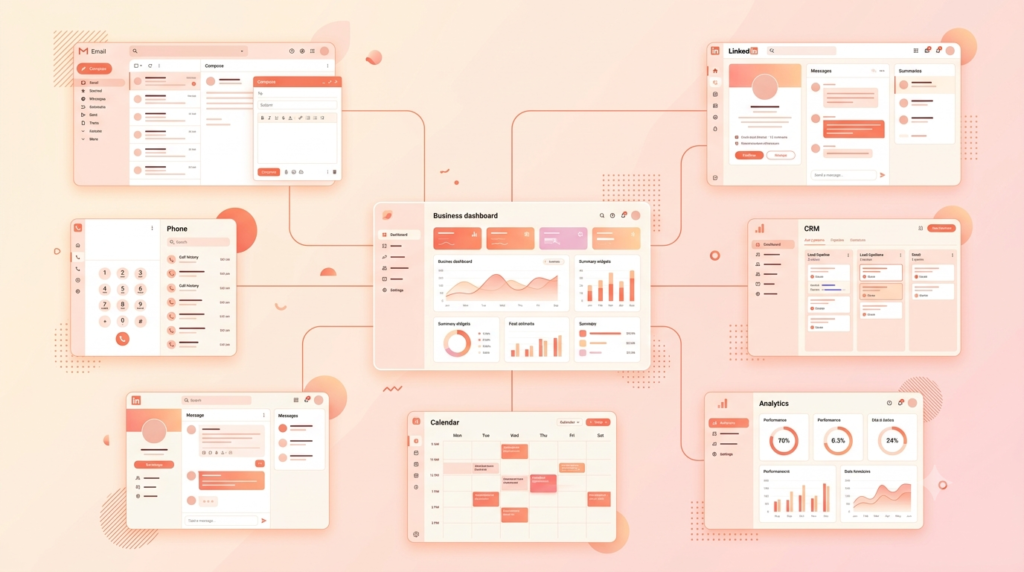
Successful sales teams rarely rely on a single outreach channel. Modern buyers interact with businesses across email, LinkedIn, phone calls, webinars, industry events, and online communities. Using multiple channels increases visibility and creates more opportunities to start meaningful conversations.
A multi-channel approach also allows prospects to engage through the platform they prefer. Some executives respond quickly to LinkedIn messages, while others prefer email or scheduled phone calls. Combining different communication methods creates a consistent brand presence without overwhelming potential customers.
An effective multi-channel strategy should maintain consistent messaging while adapting the communication style for each platform.
| Channel | Best Use Case | Primary Goal |
|---|---|---|
| Personalized outreach | Schedule meetings | |
| Relationship building | Build credibility | |
| Phone Calls | Direct conversations | Qualify prospects |
| Webinars | Education | Generate interest |
| Industry Events | Networking | Build relationships |
| Content Marketing | Thought leadership | Increase trust |
Companies that coordinate these channels effectively often achieve significantly higher engagement rates than those relying on a single outreach method.
Cold Email Prospecting That Gets Replies
Email remains one of the most effective prospecting channels when used correctly. However, today’s buyers receive hundreds of emails every week, making personalization essential.
Rather than sending generic sales pitches, focus on creating messages that demonstrate research and provide immediate value.
An effective prospecting email should include:
- A personalized subject line
- A brief introduction
- A relevant business observation
- A clear value proposition
- Supporting proof such as a case study or result
- A simple call to action
Consider this structure:
Subject: Reducing Manual Sales Reporting for Growing SaaS Teams
Hello Sarah,
I noticed your company has expanded its sales team over the past six months. Many growing SaaS organizations experience reporting challenges during rapid expansion.
We’ve helped similar companies automate sales reporting and reduce administrative work by more than 40%, allowing sales managers to focus on coaching and revenue growth.
Would you be available for a 15-minute conversation next week to explore whether similar improvements could benefit your team?
This approach feels conversational rather than promotional.
Best Practices for Cold Email Prospecting
Cold email success depends more on relevance than volume.
Some proven practices include:
- Personalize every email.
- Keep messages concise.
- Focus on business outcomes instead of product features.
- Avoid overly promotional language.
- Use one clear call to action.
- Follow up consistently without becoming repetitive.
- Test different subject lines.
- Send emails at appropriate business hours.
Sales teams that continuously optimize their messaging often experience steady improvements in reply rates.
Cold Calling Still Works When Done Correctly
Although digital communication has become increasingly popular, phone conversations remain valuable for building trust quickly.
The biggest mistake sales representatives make is treating cold calls as scripted sales presentations. Instead, they should begin with curiosity and focus on understanding business challenges.
A successful cold call generally follows four stages.
Introduction
Briefly introduce yourself and explain why you’re calling.
Keep this section under 20 seconds.
Build Interest
Mention something specific about the company.
For example:
“I noticed your organization recently expanded into new regional markets.”
This immediately demonstrates preparation.
Discover Challenges
Ask open-ended questions that encourage discussion.
Examples include:
- What are your biggest growth priorities this year?
- How are you currently managing customer acquisition?
- What challenges does your team experience with sales forecasting?
- Which sales processes consume the most time?
Questions create conversations instead of sales pitches.
Offer Value
Only after understanding the prospect’s challenges should you explain how your solution helps.
Focus on measurable business improvements rather than product specifications.
Preparing Before Every Sales Call
Preparation dramatically improves conversation quality.
Research areas include:
| Research Area | Why It Matters |
|---|---|
| Company growth | Understand expansion priorities |
| Leadership changes | Identify strategic direction |
| Recent funding | Recognize investment opportunities |
| Technology stack | Personalize recommendations |
| Industry trends | Discuss relevant challenges |
| Competitors | Position your solution effectively |
Prepared representatives appear more credible and earn trust much faster.
Social Selling Through LinkedIn
LinkedIn has evolved into one of the most powerful platforms for B2B sales prospecting. Instead of immediately pitching products, successful professionals build relationships through valuable interactions.
Social selling involves becoming a trusted industry resource before initiating sales conversations.
Practical LinkedIn activities include:
- Sharing educational content
- Commenting on industry discussions
- Congratulating prospects on achievements
- Publishing thought leadership articles
- Participating in professional communities
- Engaging with company announcements
These interactions create familiarity, making future outreach feel natural rather than unexpected.
Building Authority Before Prospecting
Decision-makers prefer buying from professionals they recognize and trust.
Sales representatives can establish credibility by regularly publishing valuable content such as:
- Industry insights
- Market trends
- Customer success stories
- Best practices
- Original research
- Educational videos
- Infographics
When prospects repeatedly encounter useful information from your organization, they are more likely to respond positively when contacted.
Account-Based Prospecting
Traditional prospecting often focuses on individual leads. Account-Based Prospecting takes a different approach by targeting entire organizations.
Instead of contacting random prospects, sales and marketing teams collaborate to identify high-value accounts with strong revenue potential.
The process typically includes:
- Selecting target accounts
- Identifying buying committees
- Researching organizational priorities
- Creating personalized outreach campaigns
- Coordinating communication across departments
- Measuring engagement at the account level
This strategy works particularly well for enterprise sales where purchasing decisions involve multiple stakeholders.
Using Artificial Intelligence for Sales Prospecting
Artificial intelligence has transformed modern prospecting by helping sales teams identify opportunities more efficiently.
AI-powered platforms analyze enormous amounts of customer and market data to identify buying signals, prioritize leads, and recommend the best outreach timing.
Common AI applications include:
| AI Capability | Business Benefit |
|---|---|
| Lead Scoring | Prioritizes high-conversion prospects |
| Predictive Analytics | Identifies buying intent |
| Email Personalization | Creates relevant messaging |
| Conversation Intelligence | Improves sales calls |
| Meeting Scheduling | Simplifies appointment booking |
| CRM Recommendations | Suggests next actions |
Rather than replacing sales professionals, AI enables them to spend more time building relationships and less time performing repetitive administrative work.
Sales Automation Without Losing Personalization
Automation allows sales teams to manage larger prospect lists while maintaining consistency.
However, automation should support personalization rather than replace it.
Tasks suitable for automation include:
- Follow-up reminders
- Email sequences
- CRM updates
- Appointment scheduling
- Activity tracking
- Lead assignment
- Performance reporting
Human interaction should remain central during discovery conversations, negotiations, and relationship building.
Creating Personalized Outreach at Scale
One of the biggest challenges in prospecting is balancing personalization with efficiency. Rather than writing every message from scratch, create flexible templates that include personalized elements.
Examples include:
- Company name
- Industry-specific challenges
- Recent company achievements
- Shared connections
- Geographic references
- Relevant case studies
This approach saves time while ensuring each message feels authentic.
Building an Effective Prospecting Cadence
Many prospects do not respond after the first message. That does not necessarily indicate a lack of interest. Busy decision-makers often overlook emails simply because of competing priorities. A structured follow-up cadence increases visibility without becoming intrusive.
An example prospecting cadence:
| Day | Activity |
|---|---|
| Day 1 | Personalized email |
| Day 3 | LinkedIn connection request |
| Day 5 | Follow-up email |
| Day 8 | Phone call |
| Day 11 | Share valuable industry content |
| Day 15 | Final follow-up email |
Consistency is important, but every interaction should provide additional value rather than repeating the same message.
Measuring Prospecting Performance
Continuous improvement requires tracking meaningful performance metrics.
Sales leaders should regularly evaluate prospecting activities using key performance indicators.
| KPI | Why It Matters |
|---|---|
| Emails Sent | Measures outreach volume |
| Open Rate | Evaluates subject line effectiveness |
| Reply Rate | Indicates message quality |
| Call Connection Rate | Measures phone effectiveness |
| Meetings Booked | Tracks qualified opportunities |
| Opportunity Conversion Rate | Evaluates lead quality |
| Pipeline Value | Measures revenue potential |
| Customer Acquisition Cost | Assesses overall efficiency |
Reviewing these metrics helps identify bottlenecks and optimize prospecting strategies over time.
Common Challenges in Modern Prospecting
Even experienced sales teams encounter obstacles during prospecting campaigns.
Some of the most common challenges include:
- Difficulty reaching decision-makers
- Low email response rates
- Outdated prospect data
- Increasing competition
- Longer buying cycles
- Multiple decision-makers
- Budget constraints
- Information overload among buyers
Overcoming these challenges requires continuous learning, strong research skills, effective personalization, and a willingness to adapt outreach strategies as buyer behavior evolves.
Advanced Prospect Qualification Strategies
Generating a large number of leads does not automatically translate into higher revenue. One of the biggest challenges for sales teams is determining which prospects deserve immediate attention and which require further nurturing. Effective B2B Sales Prospecting Strategies focus on quality over quantity by qualifying prospects early in the sales process.
Prospect qualification helps sales representatives identify organizations that have a genuine need, the authority to make purchasing decisions, and the financial capacity to invest in a solution. This approach allows teams to spend more time with high-potential opportunities and less time pursuing unlikely deals.
A structured qualification process also improves sales forecasting because opportunities entering the pipeline are more likely to progress toward conversion.
Popular Prospect Qualification Frameworks
Different organizations use different qualification models depending on their sales cycle and target market.
| Framework | Purpose | Best For |
|---|---|---|
| BANT | Budget, Authority, Need, Timeline | SMB Sales |
| CHAMP | Challenges, Authority, Money, Prioritization | Customer-focused selling |
| MEDDICC | Enterprise qualification | Large B2B organizations |
| GPCT | Goals, Plans, Challenges, Timeline | Consultative selling |
| ANUM | Authority, Need, Urgency, Money | High-value sales |
Choosing the right framework depends on your industry, product complexity, and average deal size.
Using Intent Data to Identify Ready-to-Buy Prospects
Intent data has become one of the most valuable assets in modern sales prospecting. Instead of reaching out to companies randomly, businesses can identify organizations actively researching products or services similar to their offerings.
Intent signals may include:
- Visiting product comparison websites
- Downloading industry reports
- Reading technical documentation
- Searching for solution-specific keywords
- Attending webinars
- Comparing software providers
- Requesting product demos
- Engaging with competitor content
These behaviors indicate that a company may already be in the buying process, making outreach significantly more relevant.
By combining intent data with personalized messaging, sales teams can contact prospects when purchasing interest is at its highest.
Leveraging CRM Systems for Better Prospect Management
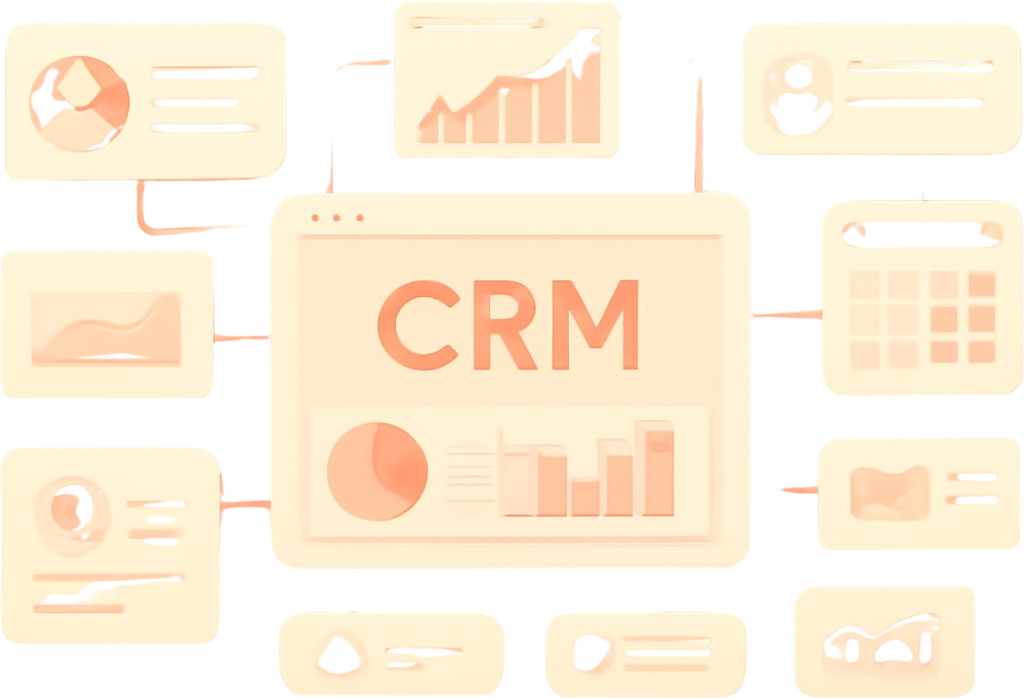
A Customer Relationship Management (CRM) platform is the backbone of successful prospecting. It centralizes customer information, tracks interactions, and helps sales representatives manage opportunities efficiently.
A well-maintained CRM enables teams to:
- Store prospect details
- Track communication history
- Monitor sales activities
- Schedule follow-ups
- Record meeting notes
- Assign leads
- Forecast pipeline revenue
- Generate performance reports
Without an organized CRM, valuable information can be lost, leading to inconsistent communication and missed sales opportunities.
Keeping CRM Data Clean
Accurate data is essential for effective prospecting. Outdated or incomplete records can result in wasted outreach efforts and poor customer experiences.
Best practices include:
- Remove duplicate contacts.
- Update company information regularly.
- Verify email addresses.
- Record every customer interaction.
- Track job title changes.
- Archive inactive prospects.
- Standardize data entry across the sales team.
Clean data improves reporting accuracy and allows automation tools to function more effectively.
Lead Scoring for Smarter Prioritization
Not every lead has the same potential. Lead scoring assigns numerical values to prospects based on factors that indicate purchasing likelihood.
Sales teams typically evaluate:
| Lead Attribute | Example Score |
|---|---|
| Matches Ideal Customer Profile | +30 |
| Decision-Maker | +25 |
| Requested Demo | +20 |
| Visited Pricing Page | +15 |
| Downloaded Whitepaper | +10 |
| Opened Multiple Emails | +10 |
| Inactive for 60 Days | -20 |
Higher scores indicate stronger buying intent and help sales representatives prioritize their daily activities.
Building Trust Before Selling
Modern B2B buyers prefer to work with trusted advisors rather than aggressive salespeople. Instead of immediately discussing products, focus on understanding the prospect’s business objectives and providing useful insights.
Trust develops through consistent, value-driven interactions such as:
- Sharing relevant industry reports
- Offering practical recommendations
- Discussing market trends
- Providing benchmark data
- Introducing helpful resources
- Answering questions honestly
When prospects recognize your expertise, they become more receptive to future sales conversations.
Lead Nurturing Throughout the Buying Journey
Not every prospect is ready to purchase immediately. Some organizations may need weeks or even months before making a decision.
Lead nurturing ensures that your business remains visible throughout this period by delivering valuable information at regular intervals.
Common nurturing activities include:
- Educational newsletters
- Case studies
- Product updates
- Industry insights
- Webinar invitations
- Success stories
- Research reports
Rather than repeatedly asking for meetings, nurturing keeps prospects engaged until they are ready to buy.
The Importance of Personalized Follow-Ups
Following up is one of the most overlooked aspects of sales prospecting. Many opportunities are lost simply because sales representatives stop communicating too early.
Effective follow-ups should provide additional value instead of repeating previous messages.
Examples include:
- Sharing a relevant article
- Highlighting a new customer success story
- Mentioning a recent industry trend
- Providing updated market research
- Answering previously discussed questions
Each interaction should move the conversation forward.
Handling Common Prospect Objections
Objections are a natural part of every B2B sales process. Instead of viewing them as rejection, treat objections as opportunities to better understand customer concerns.
Some of the most common objections include:
| Objection | Recommended Response |
|---|---|
| We don’t have the budget. | Focus on ROI and long-term savings. |
| We’re happy with our current provider. | Explore areas for improvement rather than criticizing competitors. |
| This isn’t the right time. | Ask about future priorities and schedule a follow-up. |
| We need internal approval. | Offer resources that help stakeholders evaluate your solution. |
| We don’t see the need. | Share industry examples and measurable business outcomes. |
Listening carefully before responding often leads to more productive discussions.
Building Long-Term Business Relationships
Successful prospecting is not just about winning one deal. Long-term relationships create repeat business, referrals, and stronger customer loyalty.
Relationship-building practices include:
- Regular business reviews
- Sharing industry insights
- Celebrating customer milestones
- Providing proactive support
- Introducing new solutions when relevant
- Requesting feedback
Organizations that prioritize relationships often achieve higher customer retention rates and increased lifetime value.
Aligning Sales and Marketing Teams
Prospecting becomes significantly more effective when sales and marketing work together.
Marketing generates awareness through content, events, SEO, and campaigns, while sales converts interested prospects into customers.
Alignment improves:
- Lead quality
- Messaging consistency
- Campaign performance
- Customer experience
- Revenue forecasting
Regular meetings between both departments ensure feedback is shared and prospecting strategies continue to evolve.
Using Sales Enablement Content
Sales enablement content provides representatives with resources that support prospect conversations.
Examples include:
- Product brochures
- ROI calculators
- Case studies
- Competitive comparisons
- Customer testimonials
- Industry research
- Pricing guides
- Frequently asked questions
Providing relevant content during the buying journey helps prospects make informed decisions.
Emerging Technologies Shaping B2B Sales Prospecting
Technology continues to transform how businesses identify and engage prospects. Several innovations are redefining modern sales processes.
Predictive Analytics
Predictive analytics uses historical customer data to identify businesses most likely to convert. This enables sales teams to prioritize opportunities with higher revenue potential.
Conversational AI
AI-powered chatbots and virtual assistants engage website visitors, answer questions, qualify leads, and schedule meetings without requiring immediate human intervention.
Revenue Intelligence Platforms
Revenue intelligence solutions analyze customer interactions across emails, calls, meetings, and CRM systems to provide actionable recommendations that improve sales performance.
Automation and Workflow Integration
Integrated sales platforms automate repetitive tasks such as lead assignment, email scheduling, activity tracking, and reporting. This allows representatives to spend more time building customer relationships.
Buyer Intent Monitoring
Advanced monitoring tools continuously track online buying signals, enabling businesses to identify prospects who are actively evaluating solutions.
Future Trends in B2B Sales Prospecting
The future of B2B Sales Prospecting Strategies will be driven by greater personalization, deeper data insights, and stronger collaboration between humans and artificial intelligence.
Key trends include:
- AI-assisted prospect research
- Hyper-personalized outreach campaigns
- Predictive lead scoring
- Intent-based targeting
- Greater use of first-party data
- Video prospecting
- Interactive sales experiences
- Automated CRM intelligence
- Real-time customer insights
- Account-based revenue strategies
Businesses that embrace these innovations while maintaining authentic human relationships will be better positioned to build sustainable sales pipelines and outperform competitors.
Best Practices for Successful B2B Sales Prospecting
Building a strong sales pipeline requires consistency, patience, and continuous improvement. Even the most advanced tools cannot replace a well-defined prospecting process supported by skilled sales professionals. Organizations that consistently generate high-quality leads follow structured routines, personalize every interaction, and focus on solving customer problems rather than simply promoting products.
The following best practices can help businesses improve the effectiveness of their B2B Sales Prospecting Strategies and achieve sustainable revenue growth.
Define Clear Sales Goals
Every prospecting campaign should begin with measurable objectives. Clear goals help sales teams stay focused and monitor progress over time.
Examples of measurable goals include:
- Number of new prospects identified each week
- Qualified meetings booked per month
- Email reply rate
- Conversion from prospect to opportunity
- Revenue generated from outbound sales
- Customer acquisition cost
When objectives are measurable, sales managers can identify strengths, address weaknesses, and improve overall team performance.
Focus on Quality Instead of Quantity
Many organizations believe sending thousands of emails automatically leads to more sales. In reality, highly targeted outreach usually delivers better results than mass campaigns.
A smaller list of carefully researched prospects often produces:
- Higher response rates
- Better meeting quality
- Shorter sales cycles
- Increased customer lifetime value
- Stronger business relationships
Personalization always outperforms volume in B2B sales.
Keep Your Prospect Database Updated
Prospect information changes frequently. Decision-makers change jobs, companies expand into new markets, and business priorities evolve.
Review your prospect database regularly by:
- Updating contact details
- Verifying email addresses
- Removing duplicate records
- Updating company information
- Recording every interaction
- Tracking recent business developments
Accurate information improves outreach efficiency and prevents wasted effort.
A Step-by-Step B2B Sales Prospecting Workflow
Following a structured workflow helps sales representatives maintain consistency throughout the prospecting process.
| Step | Activity | Expected Outcome |
|---|---|---|
| 1 | Define Ideal Customer Profile | Target the right companies |
| 2 | Research prospects | Understand business challenges |
| 3 | Identify decision-makers | Reach the right contacts |
| 4 | Personalize outreach | Increase response rates |
| 5 | Engage across multiple channels | Improve visibility |
| 6 | Qualify prospects | Prioritize opportunities |
| 7 | Schedule discovery meetings | Build relationships |
| 8 | Nurture prospects | Maintain engagement |
| 9 | Track CRM activities | Improve organization |
| 10 | Measure performance | Optimize future campaigns |
Following the same structured process across the entire sales team creates predictable results and simplifies performance analysis.
Daily Prospecting Checklist
Consistency is one of the biggest factors influencing prospecting success. A simple daily routine ensures that pipeline generation remains a priority.
A productive daily checklist may include:
- Research new target accounts.
- Identify decision-makers.
- Send personalized outreach emails.
- Make scheduled prospecting calls.
- Connect with prospects on LinkedIn.
- Follow up with previous conversations.
- Update CRM records.
- Review pipeline progress.
- Share helpful industry content.
- Plan the next day’s outreach.
Small daily improvements often produce significant long-term revenue growth.
Key Metrics Every Sales Team Should Track
Monitoring performance metrics helps organizations identify opportunities for improvement and make informed decisions.
| Metric | Why It Matters |
|---|---|
| Prospect-to-Meeting Rate | Measures outreach effectiveness |
| Meeting-to-Opportunity Rate | Indicates qualification quality |
| Opportunity-to-Customer Rate | Evaluates closing performance |
| Average Sales Cycle | Measures sales efficiency |
| Revenue Per Sales Representative | Tracks productivity |
| Pipeline Growth | Indicates future revenue potential |
| Customer Acquisition Cost | Evaluates profitability |
| Customer Lifetime Value | Measures long-term business impact |
| Follow-up Rate | Ensures consistent engagement |
| Win Rate | Tracks overall sales performance |
Regular reporting helps sales leaders identify trends and improve prospecting strategies.
Tools That Support B2B Sales Prospecting
Technology enables sales teams to work more efficiently while improving personalization and organization.
Some categories of sales technology include:
| Tool Category | Primary Purpose |
|---|---|
| CRM Platforms | Manage customer relationships |
| Sales Intelligence | Identify prospects |
| Email Automation | Schedule personalized outreach |
| Conversation Intelligence | Analyze sales calls |
| Lead Scoring Tools | Prioritize opportunities |
| Sales Engagement Platforms | Coordinate outreach sequences |
| Calendar Scheduling Tools | Simplify meeting booking |
| Analytics Dashboards | Measure performance |
The right technology stack should support sales representatives rather than replace meaningful customer interactions.
Common Mistakes That Reduce Prospecting Success
Even experienced sales professionals occasionally develop habits that limit results. Recognizing these mistakes helps improve overall performance.
| Mistake | Better Alternative |
|---|---|
| Sending identical emails to everyone | Personalize every message |
| Talking more than listening | Ask thoughtful questions |
| Following up only once | Build consistent follow-up sequences |
| Selling products instead of solutions | Focus on business outcomes |
| Ignoring CRM updates | Keep records accurate |
| Contacting every company | Prioritize ideal customers |
| Relying on one communication channel | Use multi-channel outreach |
| Giving up too early | Stay consistent and patient |
Avoiding these mistakes significantly improves engagement and conversion rates.
Expert Tips for Better B2B Sales Prospecting
Experienced sales professionals often follow several habits that consistently improve results.
Research Before Every Conversation
Spend a few minutes understanding the company’s business, recent news, industry challenges, and leadership team before initiating contact.
Ask More Questions
Rather than immediately explaining your solution, encourage prospects to discuss their priorities, challenges, and goals.
Personalize Every Interaction
Mention recent company achievements, industry developments, or mutual connections whenever possible.
Deliver Value Continuously
Share useful reports, industry insights, and educational content throughout the buying journey.
Stay Consistent
Prospecting success rarely happens overnight. Consistent daily outreach builds a healthy pipeline over time.
Learn From Every Conversation
Analyze successful meetings as well as lost opportunities. Continuous learning improves future prospecting campaigns.
Conclusion
Successful B2B Sales Prospecting Strategies are built on research, personalization, consistency, and genuine relationship building. In today’s competitive business environment, buyers expect sales professionals to understand their challenges, provide relevant insights, and offer solutions that create measurable business value.
Organizations that define a clear Ideal Customer Profile, qualify prospects effectively, leverage multiple communication channels, embrace automation responsibly, and continuously optimize their sales process are far more likely to generate qualified opportunities and achieve predictable revenue growth.
Prospecting should never be viewed as a one-time activity but as an ongoing process of learning, adapting, and building trust. As technologies such as artificial intelligence, predictive analytics, and intent data continue to evolve, businesses that combine these innovations with authentic human conversations will create stronger customer relationships and maintain a competitive advantage.
By implementing the strategies outlined in this guide, sales teams can improve lead quality, increase conversion rates, shorten sales cycles, and build a scalable pipeline that supports long-term business success. Consistent execution, continuous improvement, and a customer-first mindset remain the foundation of every high-performing B2B sales organization.
Frequently Asked Questions
What are B2B sales prospecting strategies?
B2B sales prospecting strategies are structured methods used to identify, research, engage, and qualify potential business customers before moving them into the sales pipeline. These strategies include personalized outreach, multi-channel communication, lead qualification, and relationship building.
What is the difference between prospecting and lead generation?
Lead generation attracts potential customers through marketing activities such as SEO, advertising, webinars, and content marketing. Prospecting is a proactive sales activity where representatives directly contact qualified businesses to initiate conversations and create sales opportunities.
Why is personalization important in B2B prospecting?
Personalized communication demonstrates that the sales representative understands the prospect’s business challenges. This increases trust, improves response rates, and creates more meaningful conversations compared to generic sales messages.
Which communication channels are best for B2B prospecting?
The most effective channels include email, LinkedIn, phone calls, webinars, networking events, referrals, and educational content. Combining multiple channels generally produces better results than relying on a single method.
How does artificial intelligence improve sales prospecting?
Artificial intelligence helps sales teams prioritize leads, identify buying signals, personalize outreach, automate repetitive tasks, predict customer behavior, and improve sales productivity without replacing human relationships.