
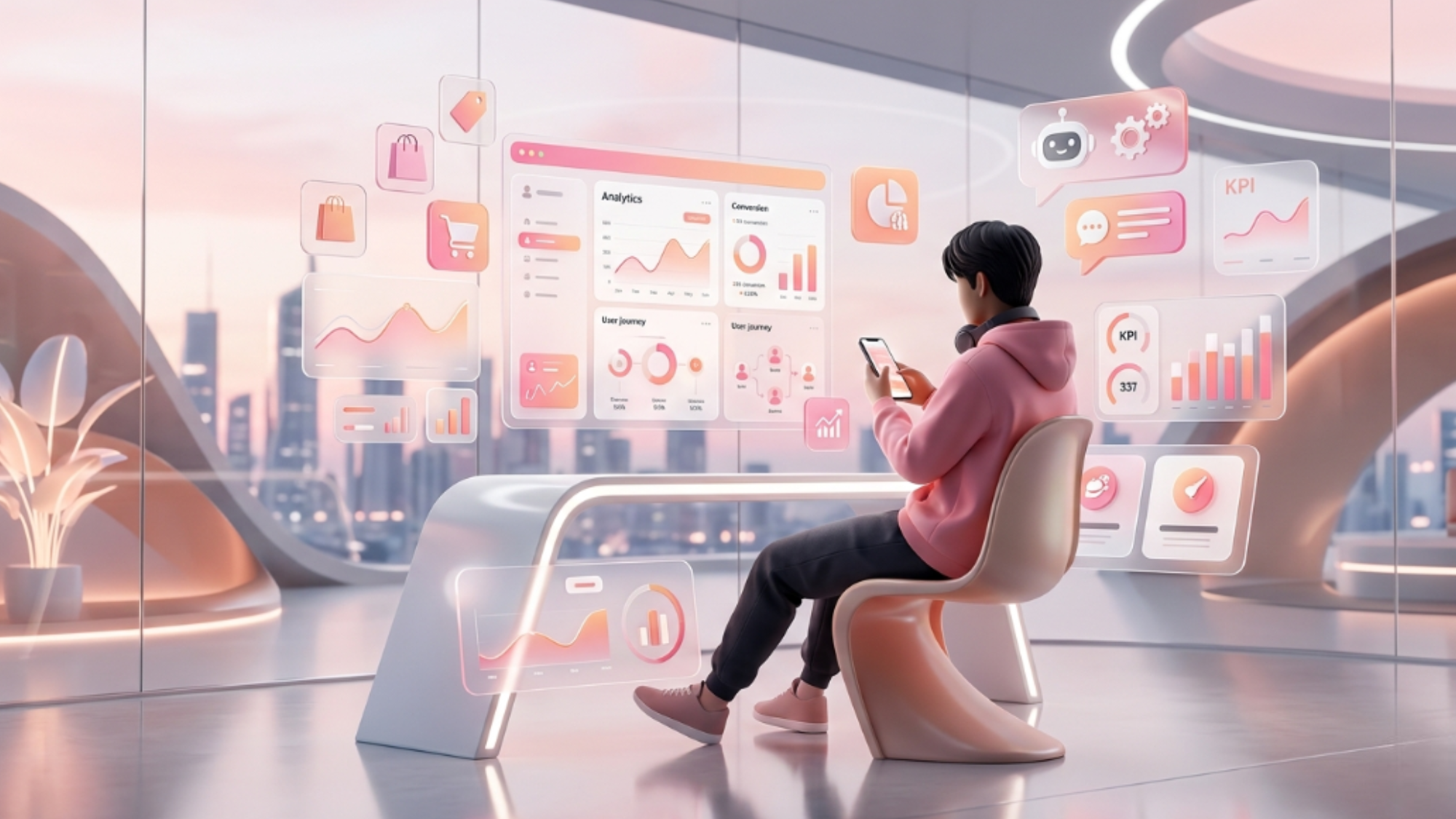
If you look at how people bought products a decade it feels almost unrecognizable today. Then sales teams guided the journey. They introduced the product explained features handled objections and slowly moved the buyer toward a decision.
The process was linear, controlled and heavily dependent on interaction. Now control has shifted.. Gen Z is leading this transformation. Gen Z buyers do not wait for a sales pitch. They do not rely on brochures or long email chains.
Instead they search, compare and evaluate on their terms. They are fast, independent and highly informed. In cases by the time they interact with a brand they already know what they want and what alternatives exist. This shift has changed the role of sales technology completely.
It is no longer a support tool for sales teams. It has become the way businesses communicate, engage and convert modern buyers. For Gen Z sales is not something that happens to them. It is something they experience through touchpoints.
Understanding this shift is not optional anymore. It is essential for any business that wants to stay relevant.
Understanding the Gen Z Buyer Mindset
To understand why sales technology is evolving you first need to understand how Gen Z thinks as a buyer. This generation has grown up with access to information. They are used to getting answers switching between apps effortlessly and making decisions quickly.
What makes them different is not their age. It’s their expectations. They expect speed without friction, personalization without effort and transparency without layers. They are also more skeptical than previous generations.
Traditional sales tactics feel obvious to them. Anything that appears forced or scripted is often ignored. At the time they value authenticity.
- They are more likely to trust a customer review than a perfectly crafted sales pitch.
- They pay attention to how a brand communicates, not what it sells.
- This means businesses must rethink not their tools but also their tone, timing and overall approach.
- The biggest mindset shift here is simple: Gen Z does not want to be sold to.
- They want to feel like they are making the decision themselves.
The Digital-First Buying Journey
For Gen Z the buying journey always starts online. Whether it’s a product, service or software their first instinct is to search, watch and read before taking any action. They move through sources of information quickly forming opinions within minutes. This behavior has reshaped the sales funnel.
What used to be a journey with clear stages is now fluid and unpredictable. Buyers jump between discovery, research and decision-making without following a fixed path.
To understand the contrast it helps to look at how buying behavior has evolved:
- Traditional Buying
- Gen Z Buying
- Sales-led conversations
- Self-driven research
- Dependence on sales reps
- Dependence on content
- Slower decision cycles
- Decision-making
- Email and calls
- Chat, social and mobile
Because of this shift businesses can no longer rely on sales teams alone to drive conversions. Their digital presence has to do most of the work. Websites, product pages, reviews and interactive tools must provide immediate value. Sales technology plays a role here by making information accessible and easy to navigate. The goal is not to push the buyer but to support them wherever they are in their journey.
Personalization Has Become an Expectation
One of the changes Gen Z brings is the expectation of personalization. They do not respond well to messages or one-size-fits-all experiences. Instead they expect brands to understand their preferences without asking many questions. This does not mean adding a first name to an email. It means showing products suggesting useful content and communicating in a way that feels tailored to the individual.
When done right personalization feels natural. When done poorly it feels intrusive or irrelevant.
Here’s how personalization changes the experience:
- Without Personalization
- With Personalization
- content
- Relevant suggestions
- engagement
- Higher interaction
- Weak connection
- Stronger trust
- Average conversion
- Improved conversion
Sales technology makes this possible by tracking behavior analyzing patterns and predicting needs.
However the real challenge is balance.
Gen Z appreciates personalization. They are also highly aware of privacy.
If it feels excessive or unnatural it can create discomfort of trust.
The key is to use data to enhance the experience not overwhelm it.
Speed and Instant Communication
Speed has become one of the critical factors in modern sales. Gen Z is used to real-time responses whether it’s messaging a friend or ordering food online.
This expectation carries over into how they interact with brands. Waiting for responses is frustrating for them.
| Response Speed | Buyer Reaction | Business Impact |
|---|---|---|
| Instant (seconds) | Feels valued and engaged | Higher chances of conversion |
| Within minutes | Still interested | Moderate engagement |
| Delayed (hours) | Frustrated or distracted | Drop in interest |
| Very slow / no response | Loses trust | Missed opportunity |
Social Media as a Sales Environment
For Gen Z social media is deeply integrated into life. It is where they discover trends explore products and form opinions. Unlike generations they do not separate entertainment from shopping. The two often happen together.
This has turned platforms into powerful sales environments. A short video, a review or even a comment section can influence a buying decision than a traditional advertisement.
What makes this space unique is its authenticity. People trust experiences shared by others more than polished brand messages. This means businesses need to adapt their approach. Of focusing only on promotion they must focus on presence, interaction and storytelling. Sales technology supports this by connecting activity with customer data. It helps track engagement understand behavior and create relevant interactions.
However the core idea remains simple: brands need to meet Gen Z where they already’re
Trust, Transparency and Authentic Communication
Gen Z values honesty more than perfection. They are comfortable with brands making mistakes long as they are transparent about them. On the hand they quickly lose trust in anything that feels misleading. This has changed how sales communication works. Of focusing on persuasion businesses need to focus on clarity.
| Approach | Buyer Perception | Impact on Trust |
|---|---|---|
| Clear pricing and honest details | Feels transparent and reliable | Builds strong trust |
| Real and natural communication | Feels authentic | Encourages engagement |
| Consistent information across channels | Feels professional and dependable | Strengthens credibility |
| Hidden costs or vague details | Feels misleading | Reduces trust quickly |
| Over-promising or exaggerated claims | Feels unrealistic | Creates skepticism |
| Scripted or robotic messaging | Feels impersonal | Weakens connection |
The Importance of Mobile-First Experiences
Gen Z interacts with the world through their smartphones. Whether they are browsing, researching or purchasing mobile devices are their platform. This has made mobile optimization essential.
A slow or poorly designed mobile experience can immediately push users away. On the hand a smooth and intuitive interface can significantly improve engagement. The challenge here is not just technical. It’s experiential.
Everything needs to feel effortless. Navigation should be simple content should load quickly. Actions should require minimal effort. Sales technology ensures that these experiences remain consistent across devices. It allows businesses to deliver the quality of interaction whether the user is on a phone, tablet or desktop.
The Shift Toward Self-Service Buying
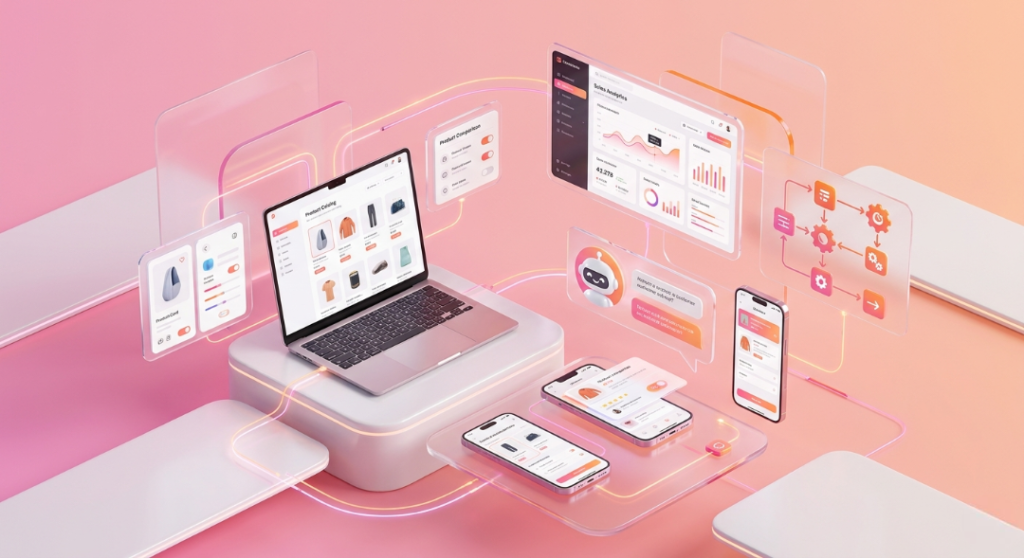
Another defining characteristic of Gen Z buyers is their preference for independence. They like exploring options comparing features and making decisions without relying on sales representatives.
This has led to the rise of self-service buying experiences. Of waiting for assistance buyers expect to find everything they need on their own. This includes product information, comparisons and easy access to support when required.
- Gen Z prefers independent decision-making
- Researches and compares products on their own
- Expects instant access to all product information
- Uses FAQs, demos, and self-help tools
- Engages sales teams only when needed
- Wants full control over the buying journey
- Values simple and clear information access
Data as the Foundation of Modern Sales
Behind all these changes lies one element. Data. Every interaction, click and behavior pattern provides insight into what buyers want and how they behave. For Gen Z this data allows businesses to anticipate needs than react to them.
It helps identify patterns predict outcomes and improve decision-making. However collecting data is part of the equation. The real value comes from using it When used correctly data makes interactions smoother, more relevant and more efficient. At the time businesses must remain mindful of privacy. Gen Z is aware of how their data’s used. Transparency and responsible usage are essential for maintaining trust.
Experience Over Everything
Perhaps the important shift is the focus on experience. For Gen Z the product itself is part of the equation. The journey. From discovery to purchase. Matters as much. They notice how easy it is to find information how quickly they get support and how natural the interaction feels. These small details collectively shape their perception of a brand.
This is why sales technology is no longer about efficiency. It is, about creating a enjoyable experience. Every touchpoint should feel connected, intuitive and purposeful.
Conclusion
Gen Z is not another group of people buying things. They are changing how people decide what to buy. They want more they get bored easily. They want a great experience.
Sales technology helps businesses give Gen Z what they want. It helps companies be fast, personal, clear and easy to deal with in ways that were not possible before.
However just having technology is not enough. It’s about how businesses use it. Companies that use the tools and understand Gen Z will do well. Those that use methods will have a hard time.
In the end it’s not about following Gen Z trends. It’s about seeing how they are different and responding in a way. Businesses that do this will connect with Gen Z. Build strong relationships that will last a long time.
They will not connect with Gen Z but also build stronger more meaningful relationships with Gen Z that last well, into the future.