

Today, sales teams work in a world that’s super complex, competitive, and focused on catering to customers in big ways. Now, buyers want personalized attention, quick replies, and smooth experiences through every step of their purchase. Plus, companies manage tons of customer info across various channels emails, social media, websites, chat apps, and online calls.
Traditional CRM systems, great as they are for storing data, sometimes lag when it comes to meeting current needs. Enter AI-native CRMs these have taken the game up a notch. Instead of adding AI as an extra feature, they build it right into their core functions. So, they can analyze customer actions, automate tasks, forecast results, and help teams make better choices.
Understanding the AI-Native CRM Revolution
For lots of years, CRM systems were basically just digital filing cabinets. Sales had to manually enter customer info, log activities, update opportunities, and create reports. Though these systems helped with organization, they added a big administrative workload too. Many sales pros spend most of their day just updating records instead of actually connecting with customers and prospects.
AI-native CRMs change all that. Rather than needing constant manual updates, these platforms gather and interpret info from emails, calls, video meetings, calendars, and customer interactions automatically. The AI turns raw data into valuable insights, helping sales teams figure out customer intentions and what actions would be best next.
This marks a major shift in managing customer relationships. Modern CRMs aren’t just passive storage anymore; they’re like smart business partners that actively help boost sales success.
Why Traditional CRM Systems Are Falling Behind
Traditional CRM platforms are showing their limits as sales get more complex. Many firms wind up with incomplete customer info since salespeople put off entering data or just neglect to update it. This leads to bad forecasts, missed chances, and disjointed customer service.
- Manual data entry
- Incomplete customer records
- Inaccurate sales forecasts
- Data overload challenges
- Limited automation
Fierce competition means sales managers need forecasts that aren’t just based on what happened before. Predictive insights that let them predict needs, spot dangers early, and act accordingly would be way more helpful. That’s where AI-native CRMs fit in; they learn from every interaction and offer timely, helpful advice.
The Core Technologies Behind AI-Native CRM Platforms
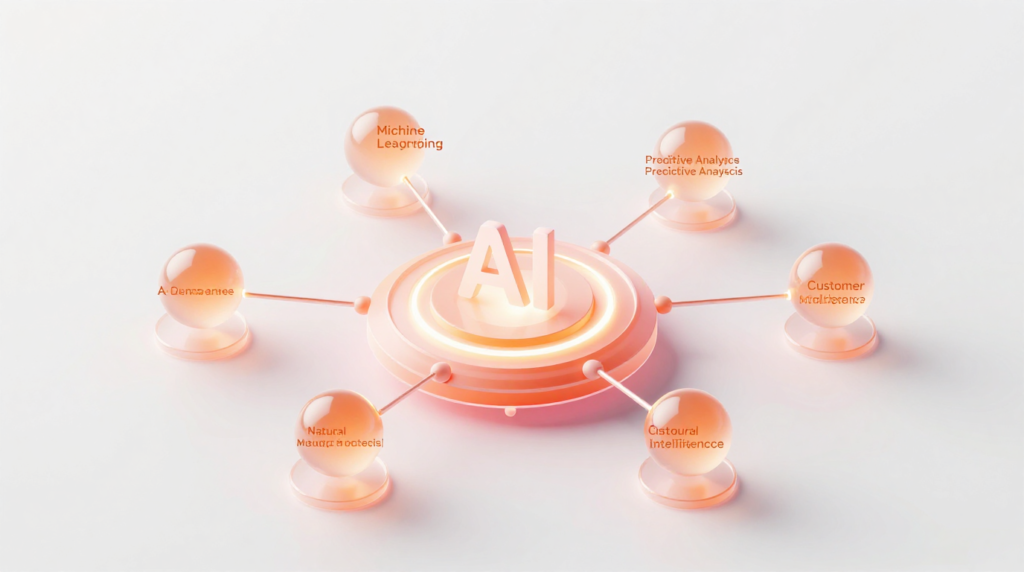
AI-native CRM systems get their power from combining various advanced technologies. Machine learning lets the platform spot patterns in customer data and make better suggestions as time goes on. With natural language processing, the system can comprehend emails, meeting notes, and conversations turning unstructured info into valuable insights.
- Predictive analytics is also key. It looks at past sales data to figure out what affects buying decisions, helping companies forecast revenue and focus on opportunities that are most likely to succeed.
- Adding generative AI has been a game changer. Now, these systems can draft personalized emails, sum up meetings, and even write sales proposals and other customer comms on their own. Because of this, the admin workload drops, and personalization stays high.
- Combined, these techs turn the CRM into an intelligent assistant instead of just a database.
How AI-Native CRMs Improve Sales Productivity
An AI-native CRM really bumps up productivity. Sales folks often spend way too much time on repetitive stuff like data entry, scheduling, making reports, and logging customer calls. Although these tasks are essential, they eat into the time sales pros could be using to generate more revenue.
These CRMs with AI capabilities can automate a lot of that tedious work. They auto-record and summarize customer chats, update contact info automatically, and even send follow-ups based on how customers interact with them.
Because of this, sales teams get to focus on building relationships, negotiating, and doing strategic selling instead. So, it leads to shorter sales cycles, better conversion rates, and top-notch performance for the whole org.
Transforming Customer Engagement Through Intelligence

Today’s buyers want personal touches throughout their entire shopping process. If you send out generic messages, people will probably tune out. They’re way more interested in brands that know what they like and need.
- To meet this expectation, companies use advanced Customer Relationship Management systems. These systems track all sorts of stuff past talks, buying history, web clicks, how engaged someone is and build detailed profiles for each customer.
- This deep dive lets sales teams tailor their pitches better, suggest fits that matter, and talk about problems buyers actually face. So reps aren’t guessing; they’re backing up their moves with real data to spark conversations that impress and connect.
- In turn, these smart, personalized efforts leave customers happier and boost chances of making a sale and building lasting loyalty.
Predictive Analytics and Smarter Decision-Making
AI-native CRM platforms really stand out because they predict future outcomes. Unlike traditional systems which just log past activities, these new AI-powered tools use both historical and real-time data. This lets them figure out what might happen next.
Predictive analytics are super helpful too. They can spot stalled deals, warn about at-risk customers, and even calculate chances of closing certain deals. Because of this, managers can act early and better manage resources.
Revenue forecasts become way more precise as well. With these systems, you don’t depend on reps’ guesses. Instead, you get predictions based on hard data like customer behavior and market trends.
The ability to foresee future results gives companies an edge in today’s busy markets.
The Growing Role of Generative AI in CRM
Generative AI is revolutionizing modern CRM technology. Salespeople often devote a ton of time to crafting emails, proposals, and other materials. But gen AI steps in, making high-quality content way faster using customer info.
- Think about post-meeting magic summaries, action points, and personalized follow-ups pop up right away. So instead of half an hour on notes, reps just check things.
- It’s not just about drafts either; gen AI helps for prep work, queries, and suggesting moves. This keeps teams slick, professional, and efficient with customers.
AI-Native CRM and Revenue Growth
The point of any sales tech investment is to grow revenue, and AI-native CRM platforms really help with that. They assist teams in spotting top opportunities, focusing on high-valuable leads, and engaging customers better. This boosts sales results throughout the pipeline.
When orgs use AI-powered CRMs, reps tend to concentrate on prospects who are more likely to buy boosting conversion rates. Forecasting improves too, making it easier to allocate resources efficiently. Plus, automating tasks cuts down on unnecessary workload.
Benefits for Revenue Growth
- Faster sales cycles
- Higher sales productivity
- Better customer experiences
- Smarter decision-making
- Increased lead conversions
Industry Applications of AI-Native CRM

AI-native CRM tech really helps out in all kinds of businesses. Tech firms use it for handling their complicated sales processes and finding serious buyers. Meanwhile, financial places apply AI to understand customers better and spot ways to offer more products.
In healthcare, smart CRMs help with patient chats and involvement. Manufacturers use the predictive features to predict needs and work on strong ties with distributors. For retail and e-commerce, AI boosts customer loyalty and ups lifetime value.
Each industry might have its approach, but the main benefit is clear – understanding customers way better and nailing sales efforts more effectively.
Challenges Organizations Must Address
Though AI-native CRM systems have their perks, they come with challenges too. One big issue is data quality; the AI is only as good as the info it gets, so you need that data to be clean and precise.
Another obstacle is getting staff on board. People used to doing things the old way might resist a new system. That’s why thorough training and managing change is key to making it work.
Lastly, companies have to think about privacy and sticking to regulations when using AI. Proper governance keeps them compliant, helps build trust, and lets them get the most out of these tools.
The Future of AI-Native CRM
The future of customer relationship management is going to be more autonomous. AI won’t just suggest things but will start doing tasks on its own too. Think about it handling leads, booking meetings, and following up all by itself.
Plus, real-time customer insights will get way better. Salespeople can get instant tips during talks with clients. Soon, voice-driven CRMs might even make typing obsolete, leading to a much smoother and more natural user experience.
As tech advances, the line between regular CRM software and AI helpers will fade. Companies that jump on board early will be best suited for handling shifts in what customers want and how markets move.
Conclusion
The rise of AI-Native CRM is huge for modern sales tech. It’s not enough anymore for systems just to hold customer info; businesses now want smart platforms that can analyze data, predict stuff, automate tasks, and help with planning.
These platforms blend AI, predictions, automation, and more to really change how companies connect with customers and grow revenue. They ease workload, boost efficiency, make customer ties stronger, and give better insights on sales success.
With comp getting fiercer and what customers expect always changing, AI-native CRMs are becoming the hub of modern sales. Companies wise enough to back these systems now will be set to take the lead in future customer interactions and biz growth.